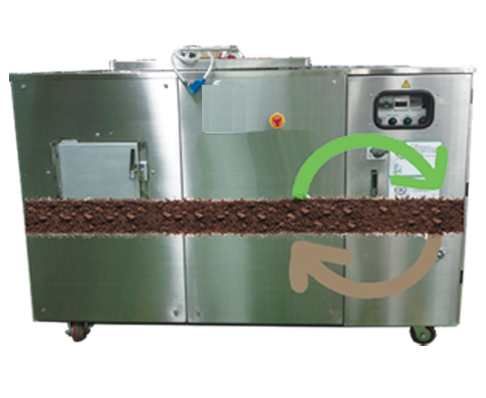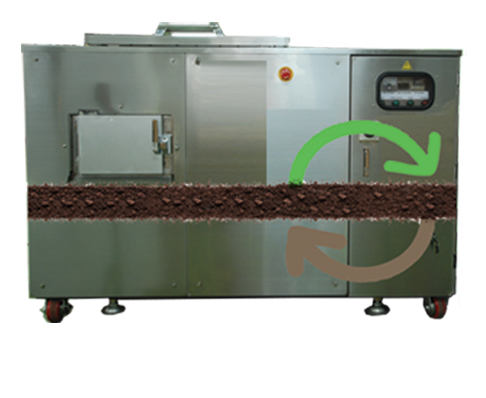

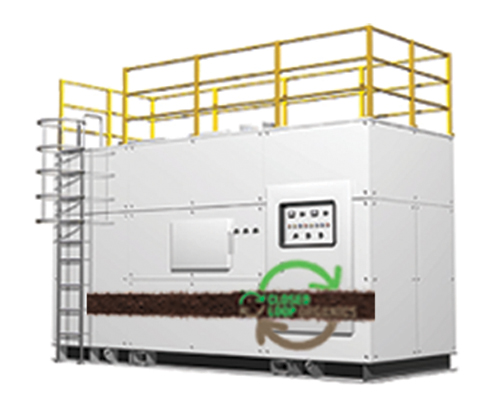
Food Waste Composter

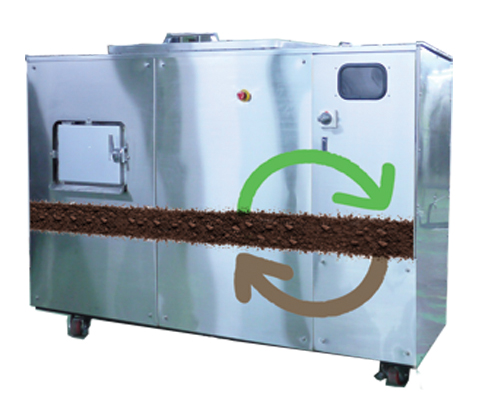
Processes up to 1000kg food waste/day, accepting all kinds of food waste with the exception of bulk oils or large meat bones.

The process is continuous, so food waste can be loaded at any time, up to the daily capacity.

Within 24-hours the food waste is reduced by 80-90% and converted into a nutrient-rich resource, suitable for use on lawns, vegetable gardens and most garden beds.

Used to capacity the CLO500 will divert around 365 tons of food waste from landfill and produce around 73 ton of soil conditioner per annum.
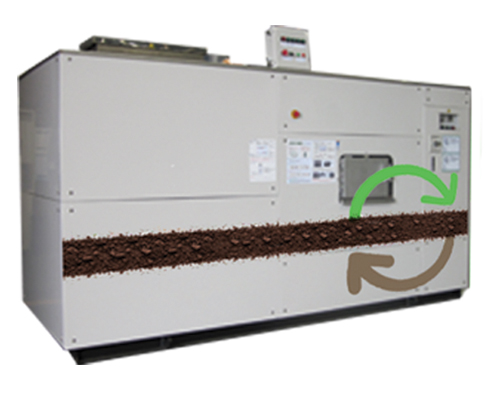
Food Waste Composter

Processes up to 600kg food waste/day, accepting all kinds of food waste with the exception of bulk oils or large meat bones.

The process is continuous, so food waste can be loaded at any time, up to the daily capacity.

Within 24-hours the food waste is reduced by 80-90% and converted into a nutrient-rich resource, suitable for use on lawns, vegetable gardens and most garden beds.

Used to capacity the CLO300 will divert around 220 tons of food waste from landfill and produce around 44 ton of soil conditioner per annum

Food Waste Composter

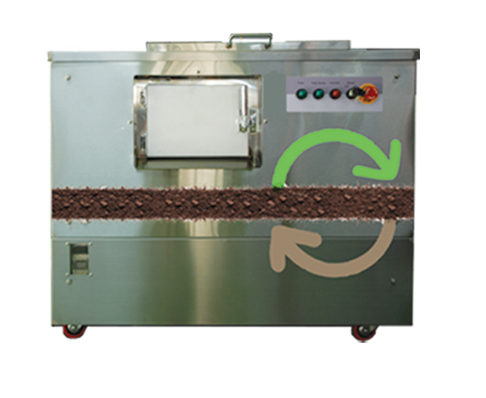
Processes up to 200kg food waste/day, accepting all kinds of food waste with the exception of bulk oils or large meat bones.

The process is continuous, so food waste can be loaded at any time, up to the daily capacity.

Within 24-hours the food waste is reduced by 80-90% and converted into a nutrient-rich resource, suitable for use on lawns, vegetable gardens and most garden beds.

Used to capacity the CLO100 will divert around 70 tons of food waste from landfill and produce around 14 ton of soil conditioner per annum.
Food Waste Composter

Processes up to 100kg food waste/day, accepting all kinds of food waste with the exception of bulk oils or large meat bones.

The process is continuous, so food waste can be loaded at any time, up to the daily capacity.

Within 24-hours the food waste is reduced by 80-90% and converted into a nutrient-rich resource, suitable for use on lawns, vegetable gardens and most garden beds.

Used to capacity the CLO50 will divert around 36 tons of food waste from landfill and produce around 7 ton of soil conditioner per annum.

Food Waste Composter

Processes up to 60kg food waste/day, accepting all kinds of food waste with the exception of bulk oils or large meat bones.

The process is continuous, so food waste can be loaded at any time, up to the daily capacity.

Within 24-hours the food waste is reduced by 80-90% and converted into a nutrient-rich resource, suitable for use on lawns, vegetable gardens and most garden beds.

Used to capacity the CLO30 will divert around 22 tons of food waste from landfill and produce around 4 ton of soil conditioner per annum.

Food Waste Composter

Processes up to 20kg food waste/day, accepting all kinds of food waste with the exception of bulk oils or large meat bones.

The process is continuous, so food waste can be loaded at any time, up to the daily capacity.

Within 24-hours the food waste is reduced by 80-90% and converted into a nutrient-rich resource, suitable for use on lawns, vegetable gardens and most garden beds.

Used to capacity the CLO10 will divert around 7 tons of food waste from landfill and produce around 1 ton of soil conditioner.

NSW EPA Waste and Sustainable Materials Strategy Project

This project is a NSW Environment Protection Authority Waste and Sustainable Materials Strategy initiative, funded from the waste levy.